
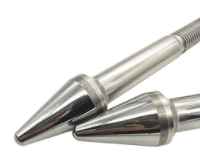
Choke Valves in Oil & Gas
Choke Valves: Purpose, Types, and Role in Oil & Gas Production A choke valve is a critical type of control valve used primarily in oil and gas production. Its core functions are to control the flow of well fluids, kill (reduce) reservoir pressure, and regulate downstream pressure in flowlines. By forcing fluid through a small, precisely sized opening, it effectively reduces high upstream pressure while managing the production rate from the well. Given that reservoir fluids often contain abrasive sand particles, these valves are specifically engineered to withstand erosive service conditions. A typical well setup features two choke valves installed